







Search Results for: global price comparison
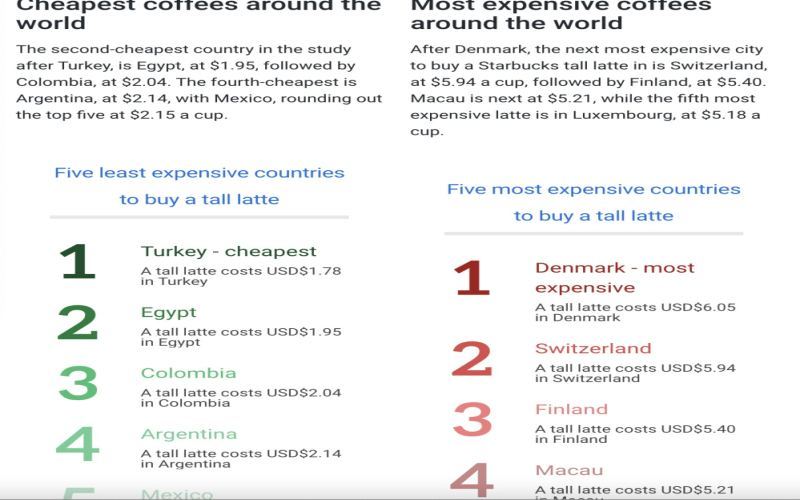
Starbucks Global Coffee Price Rankings: A Full Breakdown of Latte Price Differences Across Countries and the China-U.S. Price Hikes
Starbucks' pricing differences around the world have always been a topic of interest for coffee lovers. According to a 2019 Finder survey of 76 countries and regions, a medium latte in Denmark costs as much as $6.05, while in Istanbul, Turkey, it costs only $1.78—nearly a fourfold difference. Europe has the highest average price, with Asia close behind. In addition to the global comparison, the article also compiles the latest drink price list for Starbucks in China and analyzes the multiple price adjustments in both China and the United States in recent years caused by the pandemic and rising raw material costs. To learn where Starbucks is cheapest, whether its prices are on the high side, and the specific prices of classic drinks, see the detailed data below. [more…]
Yirgacheffe vs. Major Global Coffee Regions: A Detailed Comparison of Taste and Grading from Mandheling to Geisha
When we talk about coffee flavors, descriptors like tropical fruit, caramel, nuts, and cocoa actually all originate from the SCAA (Specialty Coffee Association of America) flavor wheel. This article will take Ethiopia's Yirgacheffe as a starting point and provide a横向 comparison of the taste characteristics and grading systems of major renowned coffee-producing regions around the world, covering Mandheling, Blue Mountain, Hawaiian KONA, Geisha, Brazil, Colombia, Kenya AA, Guatemala Antigua, and Costa Rica, among others. Whether you are just getting into single-origin coffee or want to gain a deeper understanding of the differences among producing regions, this article will help you build a clear sensory coordinate system. Front Street Coffee will also recommend bean varieties worth trying. [more…]
Comprehensive Comparison of Arabica and Robusta: An Analysis of Caffeine Content, Growing Conditions, and Flavor Differences
In the world of coffee, Arabica and Robusta each have their own followers. The former is often seen as synonymous with specialty coffee, while the latter, with its strong body and rich crema, plays an important role in espresso blends. But is Arabica really superior to Robusta across the board? This article will compare the two across eight dimensions: caffeine content, lipids and sugars, price, uses, bean shape, plant height, chlorogenic acid content, and growing regions, while also detailing their respective growing environment requirements and global production distribution, to help you more fully understand the essential differences between these two coffees. Whether you are an Arabica lover who prefers soft fruity acidity, or a Robusta devotee who loves intense richness, you will find valuable reference here. [more…]

How to distinguish Arabica from Robusta? A comprehensive comparison from morphological characteristics to growing altitude
In the first two installments of Front Street's Bean Appraisal Guide, we have already learned to identify some of the sub-varieties of Arabica, as well as the differences in appearance between sun-dried and washed processing. This time, version 3.0 will cover the two most core commercial varieties in the Coffea genus—Arabica and Robusta. They each have their own characteristics in flavor, disease resistance, growing altitude, yield, and bean shape, especially the differences in the center line form, which can help us tell them apart at a glance. This article will compare these two varieties in detail from multiple dimensions, and also tell you why Robusta has long been unpopular in the specialty coffee circle, yet still accounts for a quarter of global production. [more…]
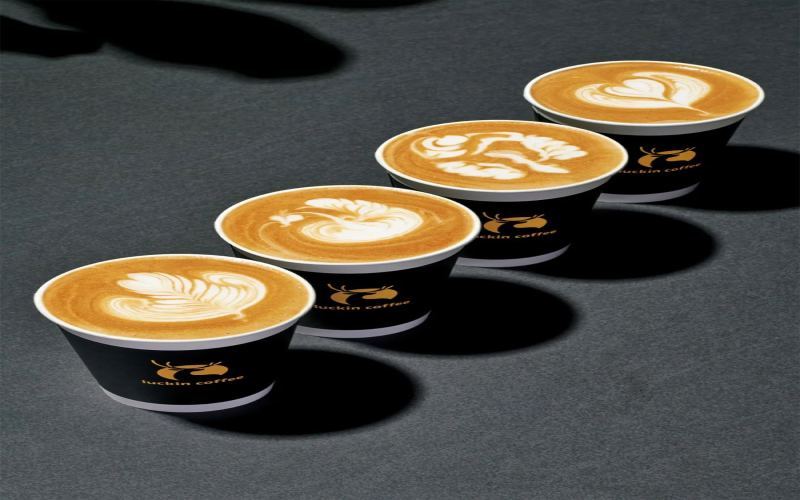
Luckin vs. Starbucks Yirgacheffe Coffee Price Comparison: Yirgacheffe Coffee Bean Rankings and Flavor Characteristics Explained
Yirgacheffe, as the byword for Ethiopian specialty coffee, is renowned worldwide for its bright citrus acidity and jasmine aroma. In late 2020, Luckin Coffee launched the Little Black Cup SOE Yirgacheffe, priced at 20 to 34 yuan, bringing this single-origin bean into the public eye. This article will begin with Yirgacheffe's origins, the causes of its flavor, and the evolution of its processing methods, tracing how it became independent from a sub-region of Sidamo to become a global specialty coffee benchmark. It will also introduce three representative products from Front Street Coffee's own roasting operation—the Gedeb Cooperative, sun-dried Red Cherry, and an everyday drinking bean—along with cupping flavor descriptions and pour-over parameter suggestions, helping coffee lovers gain a comprehensive understanding of this African bean's unique charm. [more…]
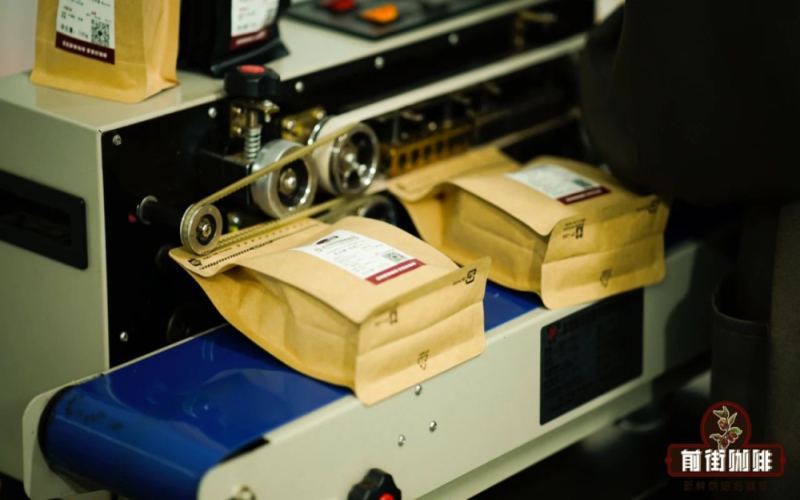
Brazil Cerrado Region Flavor Analysis: A Comparison of Brewing Performance Between Red Bourbon and Yellow Bourbon Coffee Beans
As the world's largest coffee producer, Brazil's Cerrado region, with its high altitude and fertile soil, produces sweet, full-bodied specialty coffee. This article begins with Brazil's coffee history, geographical conditions, Bourbon variety characteristics, and the pulped natural processing method, then focuses on analyzing the regional features, green bean analysis, roasting curves, and cupping flavors of Cerrado Red Bourbon and the Queen of Mogiana Estate Yellow Bourbon. Combining Front Street Coffee's brewing parameters, it presents the differentiated expression of these two beans in nutty, chocolate, and sweetness notes, making it a useful reference for coffee lovers who prefer low-acid, full-bodied flavors. [more…]
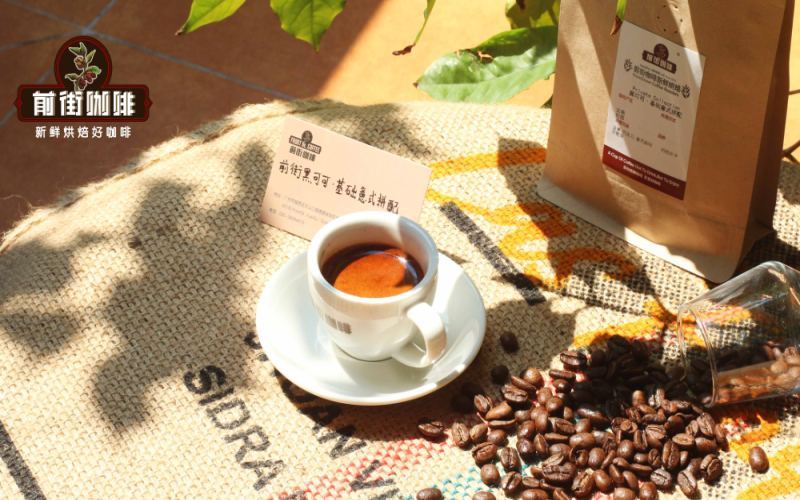
In-depth comparison of illy and LAVAZZA: The landscape of Italian coffee bean brands, taste differences, and buying advice
illy and LAVAZZA are both benchmark brands of Italian coffee, but the two differ clearly in historical origins, market positioning, packaging design, pricing strategy, and flavor direction. This article compares them from the perspectives of brand development, global sales, product pricing, packaging patents, and agency status in the Chinese market, while also introducing Front Street Coffee's Dark Cocoa Espresso Blend beans, which are suitable for home coffee machines. Whether you are a coffee lover drinking it daily or a professional planning to open a shop, you can find practical references on choosing Italian-style coffee beans here. [more…]
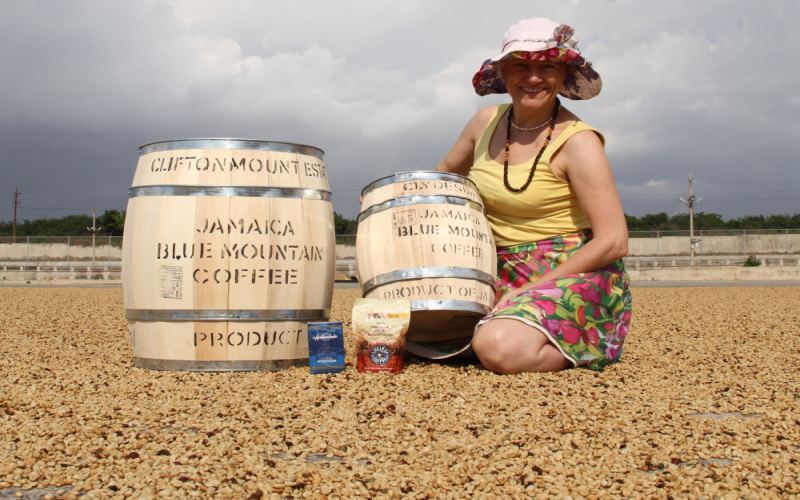
Jamaican Blue Mountain Coffee vs Cappuccino Taste Comparison: Blue Mountain Coffee Bean Grades, Prices, and Key Points for Authenticity Identification
Blue Mountain coffee is often regarded as the pinnacle of coffee, but the market is flooded with products bearing the name "Blue Mountain." What grade do coffee beans truly grown in Jamaica's Blue Mountains actually belong to, why do their prices remain so high, and how does their taste compare with cappuccino? This article, from the perspective of Front Street, sorts out the production region system, grading standards, and historical quota changes of authentic Blue Mountain coffee, introduces the characteristics and brewing suggestions of Clifton Farm Blue Mountain No. 1, distinguishes between Blue Mountain flavor coffee beans and Blue Mountain instant coffee, and finally explains the suitable audiences for Blue Mountain coffee and cappuccino respectively. [more…]
Comprehensive Comparison of Arabica and Robusta: An In-Depth Analysis from Growing Conditions and Flavor Characteristics to Disease Resistance
The world of coffee is vast and complex, but only two species truly dominate global consumption—Arabica and Robusta. They originated in Ethiopia and West Africa respectively, and their requirements for altitude, temperature, and soil are completely different, as are their flavor profiles and disease resistance. Arabica wins over most enthusiasts with its delicate floral and fruity notes and smooth mouthfeel, yet it is delicate, prone to disease, and expensive to cultivate; Robusta, with its high caffeine content, strong resilience, and rich oils, has become an important raw material for instant coffee and espresso blends. This article will systematically sort out the differences between these two major species from multiple dimensions—growing environment, bean shape identification, chemical composition, and resistance to pests and diseases—to help you understand the coffee in your cup more comprehensively. [more…]
Global supply tightness combined with a weakening dollar keeps coffee bean prices climbing
The international coffee market has recently experienced a significant rally, with prices for both Robusta and Arabica rising. The factors driving this surge are complex: Brazil's coffee-growing regions continue to suffer from drought, and logistics delays at the Port of Santos occur frequently; the US dollar index has come under downward pressure due to rate cut expectations, and the Brazilian real has strengthened accordingly; Vietnam's Robusta supply is tight, and local green bean purchase prices have repeatedly hit new highs. At the same time, the USDA forecasts that global coffee production in the new year will increase by 4.2% year-on-year, but the trends among different varieties are clearly divergent. This article will review the supply and demand dynamics and price logic of major producing regions to help readers grasp the current pulse of the coffee market. [more…]

Comparison of Brazilian and Bolivian Coffee Bean Flavors: An Analysis of Planting History, Variety Characteristics, and Pour-Over Taste Differences
Brazil and Bolivia are both South American coffee-producing countries, yet the coffees of the two countries each have their own distinctive flavors. As the "giant" of the coffee world, Brazil has enormous production, relatively soft beans, and flavors dominated by nutty, cocoa, and brown-sugar sweetness; Bolivia, although limited in production, presents deep sweetness and berry notes because of its high altitude and unique varieties. In this article, Front Street Coffee will guide you through the two countries' coffee-growing history and varietal characteristics, and, through a pour-over comparison, analyze the flavor differences between Brazil Cerrado Red Bourbon and Bolivia Java coffee beans, helping you gain a deeper understanding of how altitude and variety affect coffee taste. [more…]
Flavor Comparison of the Three Major Coffee Varieties: Differences Between Robusta, Arabica, and Liberica, and Front Street Coffee's Fresh Roasting Recommendations
The coffee world is mainly composed of three major species: Arabica, Robusta, and Liberica, but the two most commonly encountered in everyday drinking and commercial blends are the first two. Arabica dominates the specialty coffee mainstream with its delicate and varied flavors, while Robusta, with its robust vitality and high caffeine content, plays an important role in espresso recipes and instant products. This article will systematically sort out the characteristics of the three major species from multiple dimensions such as plant morphology, growing altitude, production share, and flavor performance, and will specifically explain Robusta's position and limitations in the wave of specialty coffee. At the same time, the article will also combine Front Street Coffee's dedication to freshness and share practical suggestions such as the resting period and grinding timing, helping coffee enthusiasts more comprehensively understand the selection logic and brewing key points of different bean types. [more…]
Arabica vs. Robusta: A Comprehensive Comparison of Flavor Differences, Pros and Cons, and Key Roles in Espresso Blends
When we pick up a cup of coffee, have we ever wondered where the flavors in the cup actually come from? Among global coffee production, the two major species, Arabica and Robusta, account for the vast majority of the share, and they differ significantly in appearance, flavor, growing conditions, and uses. Arabica is known for its delicate aroma and rich layers, while Robusta holds a place in blending and instant coffee with its full-bodied taste and high caffeine content. This article will provide an in-depth analysis of the essential differences between the two, explore the pros and cons of Robusta and the truth behind the so-called "harm," and reveal its key role in the northern and southern Italian blending schools. At the same time, two classic blend products from Front Street Coffee will also serve as cases to show how Robusta and Arabica complement each other to create a rich, full-bodied Espresso. [more…]
What Exactly Is the Difference Between Robusta and Arabica? A Comprehensive Comparison from Origin and Flavor to Espresso Blends
Robusta and Arabica are the two most frequently compared coffee varieties in the coffee world. The former accounts for about forty percent of global production, is highly adaptable, and has a high caffeine content, yet has long been burdened by the stereotype of being rough and bitter; the latter occupies the mainstream of specialty coffee with its delicate and varied flavors. This article breaks down, one by one, their botanical characteristics, chemical composition, origin and processing, cupping performance, and the logic of espresso blending, explaining the fundamental differences between the two in flavor and mouthfeel, and exploring whether Robusta, if given equal attention in cultivation and post-processing, can shed its low-grade label. At the same time, drawing on Front Street Coffee's commercial blending experience, it analyzes how a 9:1 ratio of Arabica to Robusta achieves the classic espresso flavor. [more…]
An Analysis of Arabica Coffee Bean Flavor Characteristics: From Variety Classification to Comparison with Robusta
Arabica coffee accounts for 70–80% of global coffee production and is widely recognized as the coffee species with superior flavor expression. But Arabica is not a single variety; under it fall many branches such as Typica, Bourbon, and Geisha, each with clear differences in bean shape, flavor, and cultivation characteristics. From the perspective of Front Street Coffee, this article systematically sorts out Arabica coffee's origins and distribution, the characteristics of its caffeine and sugar content, and its core differences from Robusta in price, flavor, disease resistance, and other aspects, and introduces one by one the appearance characteristics and flavor tendencies of subdivided varieties such as Typica, Maragogype, Pacamara, the Bourbon family, and Geisha, helping coffee enthusiasts build a complete framework of variety knowledge. [more…]
Darjeeling vs. Assam Black Tea Comparison: An Analysis of Harvest Season Differences and Liquor Flavor Characteristics
Tea has long been woven into people's daily way of life. India, as a major tea-producing country globally, produces a variety of categories and blends such as oolong tea, black tea, green tea, and masala chai. Tea is often named after its place of origin, and Darjeeling and Assam are two widely popular and famous tea regions. The two are geographically adjacent, yet due to differences in cultivation methods, climate conditions, and altitude, they give rise to teas of strikingly different styles. This article will systematically sort out the differences between Darjeeling black tea and Assam black tea from dimensions such as geographical location, taste, color, leaf appearance, and picking season, helping tea lovers make a more suitable choice based on their personal taste preferences and drinking habits. Front Street Coffee will also provide purchasing references for enthusiasts in this article. [more…]

ChaPanda launches a 300ml globally inspired specialty hot drink, sparking heated debate over its size and pricing, with the straw pairing becoming the focal point of complaints.
ChaPanda recently launched its Global Flavor series, rolling out three hot specialty drinks in one go: Caramel Crunch, Vanilla Cocoa, and Dark Chocolate Cocoa. The wintery vibe in the posters drew many milk tea fans to place orders and give them a try. However, once they got their hands on the drinks, quite a few consumers discovered the takeaway cup was only palm-sized, with the mini-program listing a capacity of 300ml—a stark contrast to the 500ml or even 1-liter milk teas common on the market. In terms of price, the three drinks fell in the 14 to 17 yuan range depending on platform discounts, which some users considered poor value—too little for too much. On top of that, the thick, long straws supplied by the stores stuck into the mini cups sparked all kinds of jokes online. Still, most people rated the taste as "good"—it's just that value for money has become a hurdle on the road to repeat purchases. [more…]
How Much Does Brazilian Coffee Cost? Uncovering the Deep Reasons Behind the Coffee Kingdom's Leading Production Yet Affordable Prices
Brazil, as the world's largest coffee producer, is known for its affordable coffee beans. Front Street Brazil coffee, as an everyday bean, costs only 30 yuan per cup and is widely used in Front Street Classic Espresso Blend, Specialty Espresso Blend, Basic Espresso Blend, and Commercial Blend. Why can Brazilian coffee combine high yield with low price? From its cultivation origins in 1727 to the introduction of the Bourbon variety, from the birth of the pulped natural process to the rise of the Cerrado region, this article will trace the historical development, regional distribution, variety characteristics, and processing methods of Brazilian coffee, and take a closer look at two Front Street Brazilian beans—Red Bourbon and Queen's Farm Yellow Bourbon—covering their flavor differences and brewing recommendations. [more…]

Panama Hacienda La Esmeralda Red Label Geisha Grade Full Guide: Natural Process and 90+ Geisha Flavor Comparison
Geisha coffee has been the most talked-about variety in specialty coffee circles in recent years, and the Red Label Geisha from Hacienda La Esmeralda in Panama is the benchmark among them. This article begins with the origins and spread of Geisha, walks through how Hacienda La Esmeralda discovered Geisha and how it classifies Red Label, Green Label, and Blue Label by altitude and cupping score, and further compares the cultivation philosophy and processing methods of 90+ (Ninety Plus) Geisha estates. The article also includes the specific parameters and flavor descriptions of two representative beans from Front Street Coffee, helping you understand the similarities and differences between Esmeralda Red Label Natural and 90+ Geisha in terms of origin, grade, processing method, and roasting differences. [more…]
Comparison of Wuyi Rougui Rock Tea and Phoenix Dancong: Analysis of Aroma and Taste Differences and the Core Distinctions Between Rock Tea and Dancong
In the world of Chinese oolong tea, Wuyi rock tea and Phoenix Dancong are often compared. The former, represented by Da Hong Pao, is hailed as the king of rock tea, while the latter originates from Phoenix Mountain in Chaozhou, Guangdong, and is known for its rich fruity aroma and high value for money. Although both belong to the heavily oxidized oolong category, they each have their own strengths in aroma type, depth of flavor, the influence of tree age, and market price. This article will help you sort out whether Wuyi cinnamon rock tea or Phoenix Dancong is more fragrant and better tasting, and clarify the fundamental differences between rock tea and Dancong, from perspectives such as the tea tree growing environment, the difference between old-tree and garden tea, and the expression of mineral mouthfeel. At the same time, the article will also retain related recommendations for the Front Street brand, providing a reference for coffee lovers exploring the world of tea. [more…]